Agvocating through art

Originally published in the July 13, 2017  issue of the Manitoba Cooperator


As farmers we don’t often have the opportunity to celebrate and showcase the crops we grow. So, when the opportunity arises, why not take it?

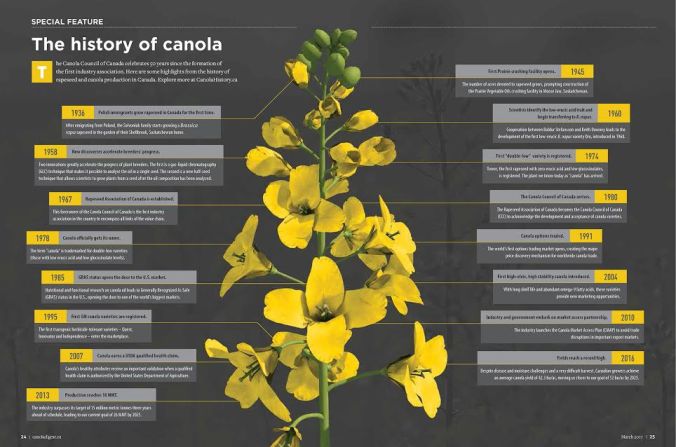
Earlier this year, our local arts centre asked for exhibit ideas for their boardroom gallery. Considering 2017 is canola’s 50th anniversary, I suggested a display of pictures, products and facts to celebrate. It was built around a blog post from last July entitled, Simply Canola, and inspired by the Canadian Agriculture and Food Museum in Ottawa. The museum is commemorating Canada’s 150th birthday and Canola’s 50th anniversary with a nation-wide travelling exhibition, “Canola: A Canadian Story of Innovation” as well as an on-site exhibit, “Canola! Seeds of Innovation.”
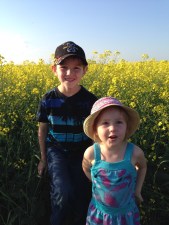
Leanne Campbell photo

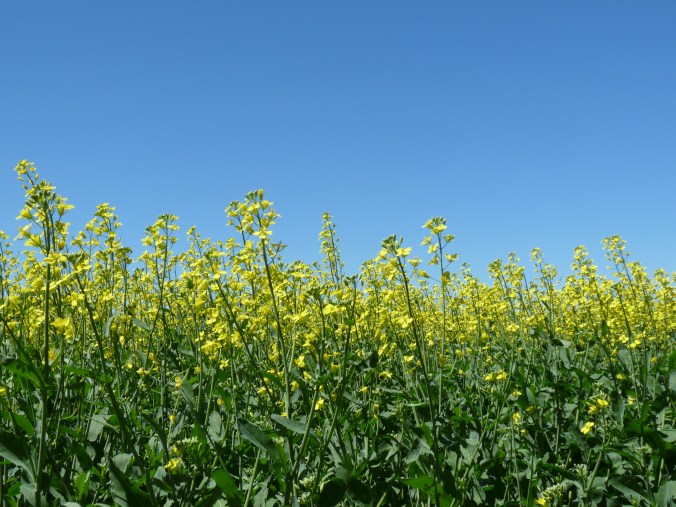
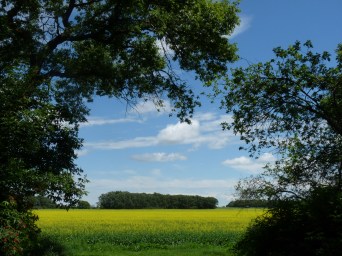
By far, canola is one of the most recognized crops we grow. There is no doubt it is the shining star of agriculture across western Canada every summer when it blooms. It isn’t unusual to see people stopping alongside the road to snap a picture, or take a ‘selfie’ against its gorgeous sea of yellow. Even those of us who grow it, are taken in by the allure of those bright and beautiful blossoms. Case in point – my extensive collection of photos from 2016.

With less than two percent of Canadians living on farms, there is a huge disconnect between food producers and consumers. Surveys show consumers want to learn more. We’ve been advised to tell our story, our way. So why not tell it through art? Especially when you can celebrate a crop many people are familiar with on a visual level.
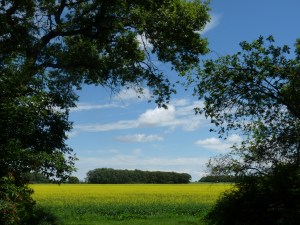
Simply Canola is a pictorial diary of the canola we grew on our farm last year. Twenty-six photos, displayed in date order, give a tour from emergence to harvest, from close-ups to landscapes to sunsets. I’m hoping they convey the pride we take in growing this iconic prairie crop. A display case with canola, a sample of products made from it and bright yellow note cards with canola facts add an element of education to the display.

Jennifer Dyck photo

Canola is so much more than a pretty backdrop on the prairie landscape under the summer sun. The impact it has had in Canada and around the world in just 50 years is astounding. As the world’s only “Made in Canada” crop, I’m pleased to have the opportunity to agvocate and celebrate it with my photography in our local community. To date feedback has been positive and encouraging, both from consumers and those in the ag industry.

If you are in Portage la Prairie, please stop by and enjoy our farm’s views and vistas of Simply Canola. The exhibit is on display at the Portage and Districts Centre (11 2 St NE, Portage la Prairie, MB) from June 20th – August 5th in the Boardroom.

Gallery Hours: Tuesday to Saturday, 11:00am to 5:00pm     Click here for directions.      (Note: Boardroom Gallery closed Wednesdays 12:30pm-3:30pm)  


Comments on “Simply Canola” 

“Who knew? Well done!”

“Beautiful, picturesque and educational.”

“Thank you – for this great contribution to the industry.”

“Excellent way to capture beauty and education.”

“I learned so much about canola!”

“Beautiful memories of home.”

“Lovely…and educational.”
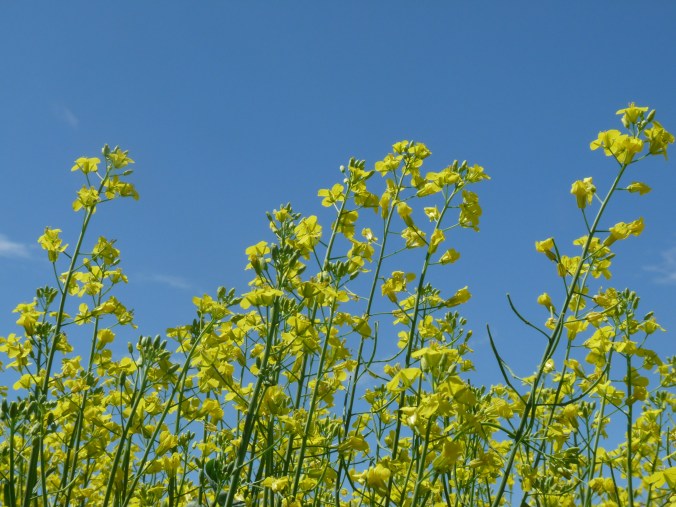
“Canola: A Canadian Story of Innovation” begins National Tour

Originally published in the March 2017  issue of Canola Digest


Sandi Knight photo

What happens Canada’s 150th birthday and Canola’s 50th anniversary collide? The Canadian Agriculture and Food Museum (CAFM) in Ottawa celebrates with a nation-wide tour of a new travelling exhibition, “Canola: A Canadian Story of Innovation”. This exhibit made its debut at Canola Council of Canada’s “Good As Gold” 50th Annual Convention in Winnipeg on March 7—9. It will be on display at Winnipeg Richardson International Airport in the arrivals hall through March 23rd.

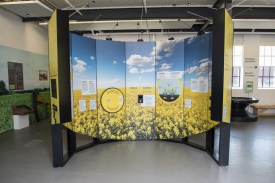
Designed to tell the story of canola to Canadians, this 500-square-foot exhibit is interactive, hands-on and designed for all ages. It is comprised of two C-shaped configurations — one to make you feel immersed in a field of canola, the other as though you are walking into a processing plant. It will highlight canola’s versatility from cooking oil to canola meal, biofuels, ink, plastics and cosmetics. Visitors will learn the history — from a crop that didn’t exist 50 years ago to the multi-billion industry that exists in Canada today. They will discover the on-going science, research and innovation behind canola.

Credit: Canada Science and Technology Museums Corporation

Credit: Canada Science and Technology Museums Corporation


Over the next five years, it will travel to museums, science centres, indoor and outdoor exhibitions, hospitals, shopping malls and airports. A map and links can be found on-line at CAFM.

The main gallery of the CAFM will also house a long-term, more in-depth, 2,500-square-foot exhibit.  It will connect to the museum’s demonstration kitchen, providing access for hands-on learning food experiences. The museum, which hosts 200,000 visitors/year, is a working farm, so as guests tour they will see canola growing and learn how canola meal is used in food rations for livestock and poultry.

The CAFM wants to ensure the canola story is accessible to all Canadians, so those unable to visit either exhibit will be able to access information and resources on the website.

Kerry-Leigh Burchill, director general of the CAFM states it was a fortuitous meeting with Simone Demers Collins, market development & promotions coordinator of Alberta Canola, at a Grow Canada Conference in Ottawa that led to this new exhibit to celebrate Canada’s 150th. Burchill said the museum was looking for a crop or a process that had “a very strong connection to innovation by Canadians in the fields of science and technology when it came to agriculture.”  To which Collins replied, “I think that story can be canola.”

Canadian canola grower associations and industry partners then stepped up to the plate to collaborate and sponsor the exhibit.

To ensure accuracy and a balanced representation for the exhibits, a National Advisory Council provided advice and input. The 13 member panel from a wide cross-section disciplines, included Dr. Keith Downey, one of the fathers of canola. Focus groups and surveys ensured terminology used was understandable to the general public.

The goal is to showcase agriculture as an ever-evolving industry, highlight the heritage of this made-in-Canada crop along with the benefits of growing canola from health, food security, environmental, economic and sustainability perspectives. Burchill hopes the exhibit will even inspire young students to chose a career path in agriculture.

Communication and education are key to the advancement of agriculture in Canada. This initiative will be a valuable reminder of just how far the canola industry has come in 50 years.

Courtesy Canola Council of Canada

Thoughts on "Canola: A Canadian Story of Innovation" 

Sandi Knight photo

“I think it’s an opportunity to be able to allow the urban population in particular, and farmers as well, to see where canola came from – the humble beginnings, where it’s going and the variety of products available from canola.” — Bruce Dalgarno, Farmer, Newdale, MB


Sandi Knight photo

“When visitors have the opportunity to learn from our farmers, hear their stories about growing ingredients for our recipes and food for our tables, a deeper farm to food connection is made. The display will give Canadians an opportunity to #ExploreCanola.” — Ellen Pruden, Education and Promotions Manager Manitoba Canola Growers/Canola Eat Well

Sandi Knight photo

“As the Canola Council of Canada celebrates 50 years in 2017 we couldn’t be more proud to tell the story of five decades of achievement and transformation in the Canadian canola industry and the exciting opportunities ahead. The exhibition is an excellent example of the innovative and collaborative spirit that’s driven canola’s success and we’re honoured to be able to launch the #ExploreCanola tour at our upcoming Convention.” — Patti Miller, President, Canola Council of Canada

Sandi Knight photo

“It is undeniable that the science, research and innovation behind canola changed how a lot of agriculture is done around the world”. — Kerry-Leigh Burchill Director General, Canada Agriculture and Food Museum


Do farmers add value to trade missions?

Originally published in the March 2017 issue of Canola Digest 


Sandi Knight photo

Canola is Canada’s top agricultural export to China, accounting for 40% of canola seed exports. Maintaining this market is essential for the canola industry and the 43,000 Canadian farmers who grow it.

Jack Froese, a farmer from Winkler, director and treasurer of the Manitoba Canola Growers Association and now Chair of the Canadian Canola Growers Association, visited China last November. He was part the Team Canada Trade Mission led by the Honourable Lawrence MacAulay, Minister of Agriculture and Agri-Food Canada.

Left to Right:  Jack Froese; Barry Senft – Grain Farmers of Ontario; Honourable Lawrence MacAulay, Minister of Agriculture and Agri-Food Canada; Jim Smolik – Canadian Grain Commission; Jim Everson – Soy Canada.

Froese attended meetings and seminars as well as a food show, which hosted over 72,000 trade buyers and 2,350 food companies from 66 countries and regions. The enormity of this show highlights the importance of the growing Chinese market and the competitiveness of countries rivaling for export business.

Producers attending trade missions are seen as a trusted, credible source of reliable, accurate information. When exporters have questions about agronomy and specific farm practices, such as crop rotation or pesticide use, farmers can address those queries. This helps build relationships and confidence in crop quality.

Froese states it is also an opportunity to find out what competitors are doing. You see the intricacies of the whole system in getting our crop from the bin to the plate. You find out how easily a market can disappear with changes in governments, their food policies, legislation, currency, transportation or stance on biotechnology. When we export 90% of our canola, awareness of the challenges in the global marketplace at the producer level is crucial in adapting and being prepared to comply with changes as they happen.

Whether it be trade missions, meetings at home or abroad, Froese has found his involvement in with the MCGA, CCCA and other farm organizations to be very rewarding: seeing firsthand the ripple effects of what happens beyond the farm gate, gaining a better understanding of trade, policy and transportation, being part of a team responsible for getting Canadian products to customers around the globe. It has broadened his awareness of safety net programs, sustainability, marketing, food integrity, storage, environmental and social sciences issues that impact his farm and those of farmers in Manitoba.

However, without his son running the day-to-day operations of their family farm, along with a nephew and three other employees, Froese knows he wouldn’t have the time or flexibility to contribute. He encourages producers to take on active roles – at whatever level their operation allows. He admits while does take time away from the farm, “If I didn’t have a passion for it, I wouldn’t be there.”

Agvocating – Where do I begin?

Originally published in the November 2016 issue of Canola Digest 


With less than two percent of Canadians living on farms, there is a huge disconnect between food producers and consumers. Surveys show consumers want to learn more. In order to give them credible information, farmers and others in the ag industry need to speak up. Advice and workshops on advocating for agriculture, or ‘agvocating’, has been presented at many farm shows/conferences over the last year.

kevin-folta

CAST photo

Dr. Kevin Folta  is a professor, Chair of the Horticultural Sciences Department at the University of Florida and winner of the 2016 Borlaug CAST Communication Award. “Recipients of CAST’s annual award are science/ag experts who demonstrate an ability to communicate through written material, public presentations, and various forms of media.” Folta does it all, and  does it exceptionally well. He speaks across North America and has a strong on-line presence. He offers this advice when discussing agricultural biotechnology with a concerned public.


DO:

  • Start with shared values and common concerns. “Like you, I want my kids to eat healthy food.”  “My family lives on the farm. I care about the farm environment. Here’s what I do…”
  •  Have honest conversations about what you know; speak to your strengths.  If you don’t believe it, don’t say it.
  • Disengage when attacks become personal, it is unproductive to continue.
  • Talk about ethics, your experience and your priorities. Remember you cannot fight fear with facts.
  • Sign up for social media accounts – Twitter, Instagram, Facebook. Follow other agvocates. Even if you don’t create content, you can have a tremendous impact by amplifying others’ messages. ie. share good work, making it more visible.  Signing up also ensures that you have control of your own name.

Don’t:

  •  Use the “feed the world” rhetoric.
  •  Dodge discussions on the limitations of genetic engineering/modification (GM). See Folta’s slide deck for more.
  • Ever claim GM is a single solution. It is not.
  • Discount other production methods or tools. All tools are needed going forward.
  • Discredit other forms of genetic improvement  such as mutagenesis.

Take-A-Way:

We have the safest, most diverse and abundant food supply in history. We also have immediate access to information — good and bad. If we engage incorrectly, we make the  broken lines of communication between consumers, scientists and farmers  worse.

To change the hearts and minds of a concerned public, we need to get involved in the conversation — in person, on-line or both. According to studies farmers are both warm and competent, so sharing our stories is critical to ensure and maintain access to ag innovation for everyone.

p1160076So begin with telling your story, your way. Don’t get bogged down in the science and terminology. Explain how precision plant breeding benefits your farm, the environment and food production.

Read, watch videos, listen to podcasts, learn from others, share their stories and practice telling yours. Remember if you don’t have the answer to someone’s question, it is okay to say, “I’ll look into that and get back to you.” Add your voice to the conversation — everyone’s is needed. If we don’t tell our stories, who will?


Kevin Folta resources:

Other Ag resources:

Weathering the Rain

Originally published in the Manitoba Cooperator October 6, 2016 

Reflections on the seemingly endless rains this past growing season. For many across western Canada, snow was added to the mix in early October and harvest continues to be an ongoing challenge for far too farmers.  Thinking of those who are struggling to get their crops from the field to bin and hoping everyone will soon be done with #Harvest16.  


facebook_1474855006708I used to be that girl, the one who would joyfully head outside when it rained. I loved everything about it. The rhythmic sound on rooftops. The patterns it made as it rolled down windows. The feel of rain on my cheeks. The way it would it soak through and soften my wild, curly hair. If the rain was coming down fast and furious, I was content to sit under the cover of the front porch and watch. But the best rains were gentle, light, perfect for walking. The air so fresh, the streets quiet and still. Those rains offered a refuge from troubles and worries. I can still see my younger self soaking in the peace and serenity of those walks.
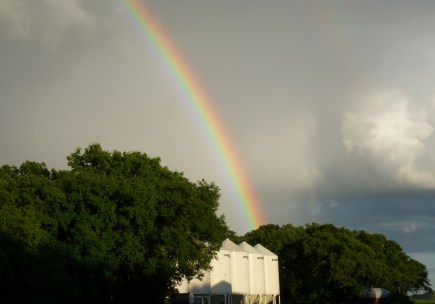
Yet there I sat, staring at the computer screen, tears instead of raindrops, slowly rolling down my cheeks. A friend was embracing and enjoying that night’s rain. Her post on social media read, “Jammies, slippers, hoodie, book, veranda, rain! Wonderful combination. .oh yes..glass of wine.”  She was doing exactly what I believe in and strive for — embracing the moment. But instead of being happy for her, I was jealous. Not of what she had, or what she was doing, but of that feeling, that freedom, that joyful connection to the rain.

I had the comfy clothes, books and wine, maybe not the veranda to relax in; that wasn’t the issue. What really got to me was the fact that she was enjoying the rain — and I wasn’t. In fact, after almost 3 months of excessive rains, I was cursing yet another downpour that was downgrading our wheat and delaying the start of harvest.

You would think after 27 years of farming, I would be used to it, but that night the dismal weather really weighed me down. I missed being that girl and my past laissez-faire relationship with the weather.

When your income is dependent on Mother Nature, your relationship with the sun and rain becomes fickle.  Excess amounts of either, especially at critical times during the growing season, can cause anything but joy and relaxation. The hold the weather has on our lives, can at times, be tiring.

I’m rather embarrassed by my feelings that night; jealousy is not an admirable trait. And being jealous of a feeling — well, that borders on absurd. I confessed to my friend. She totally understood, but we agreed the next time that happens, I am to join her.

rainbowI spoke to another woman, who has long since retired from farming and asked her if concern for the weather ever goes away. She laughed, “No.” So I guess I’ll have to be content with my memories of that girl. Look back on her fondly and smile. Even when we no longer work the land, concern for farmers will always be there, and I will be that little old lady who politely asks, “So, was that a good rain?”


It helps to talk to someone who listens and understands. No matter the issue, you can contact the Manitoba Farm, Rural & Northern Support Services. They offer free, confidential information and non-judgmental support, for anyone who lives on farm, rural or northern community. Call Toll-Free 1-866-367-3276 Monday – Friday 10 a.m. to 9 p.m. After hours 1-888-322-3016

A list of nationwide resources in Canada can be found here


Harvest Meals – Tips and Tricks

Originally published on Canola Eat Well  blog on August 31, 2015 

Harvest is now underway, albeit in fits and spurts in many areas of the country as wet weather continues to hamper efforts.  Here are a few tips to help ease the stress when it comes to meals to the field. 


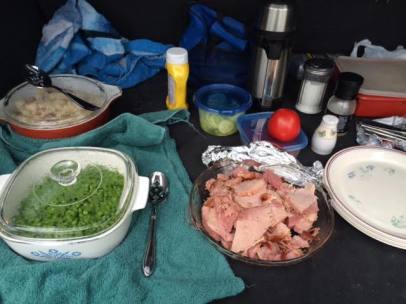
Preparing and taking meals to the field during harvest can be a challenge. Some people make it look effortless, but they will be the first to tell you lessons learned along the way helped them hone their skills. They also advise it isn’t always the idyllic picture of everyone sitting around the makeshift table on the tailgate of a truck, a beautiful array of food spread out, light breeze blowing, everyone happy, relaxed — and that’s okay. Here are a few pointers from the voices of experience.

Perry combining wheat 2

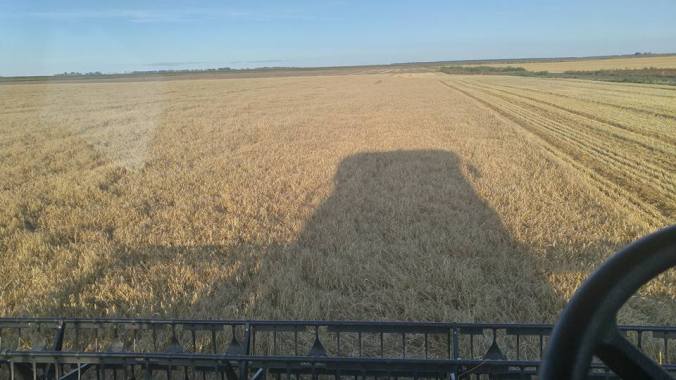
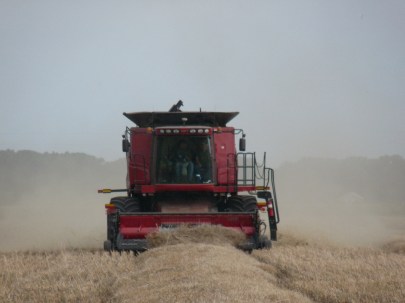
Harvesting  wheat – view from the combine cab    (P. Knight photo)

Food:
  • Become friends with your slow-cooker. Embrace stews, chili and casseroles. All-in-one-meals can incorporate each food group and are easy to transport.
  • Have a good supply of clean vegetables and fruit in the fridge for quick preparation.
  •  Take advantage of rainy days to bake or make freezer-friendly meals.
Leaving Home: 
unnamed

Photo Courtesy of Roberta Galbraith

  • Make a checklist, especially if you are travelling to a field several miles away. Food, drink, utensils, chairs etc.
  • Have a storage caddy filled with cutlery, napkins, hand sanitizer, wet wipes, cups and plates. Camping dishes are ideal to use if you have them.
  •  Old towels make great insulators for keeping food warm. They absorb any spills and are easy to wash.
Getting There:
P1160916

Harvesting Canola

  • Ensure communication is clear. Exactly which field are they working in? Especially critical if it is early in your marriage when you aren’t familiar with each field’s ‘name‘.  “We’re on Bill’s”, or “At the McLeod farm”, may be meaningless to you, especially if Bill or the McLeods haven’t owned that land for several decades…                                                                                                                                   Cell phones and road numbers have definitely aided in alleviating navigational struggles.
  •  When swarms of mosquitoes and flies are abundant, it may seem genius to borrow your in-laws motor home to deliver supper. However, ensure you park on stable ground as getting said ‘kitchen-on-wheels’ stuck is more a hindrance than help to harvest progress.
No Time to Stop:
  • Small coolers which hold both food and drink, makes for a quick and easy hand-off and eliminates spills. 
  •  Sandwiches and wraps are perfect for on-the-go eating. Just remember to advise if you have used toothpicks to help hold them together…
  • Quiche works too, either hot or cold, with a side of raw veggies and a bun or biscuit. “Real men don’t eat quiche,” they say? Why argue when a simple name change will do? Who can resist “Bacon & Egg Pie”? 😉

A little preparation, communication, flexibility and sense of humour all help at this busy time of year. May your harvest meals be made and delivered with ease, and any memorable moments shared and treasured for years to come.  Wishing you a safe and abundant harvest, from our farm to yours.

Hearty Harvest Meals

These meal ideas are fabulous — no matter where your ‘kitchen table’ is at this busy time of year.  Originally published on the Canola Eat Well blog on August 24, 2015.

Harvest is now underway, but for many of us at a snails pace as high humidity and frequent rainfalls persist.  Last night in our area, it was unusually quiet after another 21 mm of rain fell — the chirping of crickets the only sound in the evening air. Here’s hoping for a good, long stretch of warm, dry days ahead so combining can resume. 


IMG_20160821_233418For many the end of summer brings a twinge of sadness. Not so for farmers. Usually it’s an exhilarating time filled with excitement, gratitude and relief. Another growing season is behind us and it’s finally time to reap the rewards.

The hum of combines is music to our ears. Country roads are bustling as trucks roll up and down hauling crop from fields to bins. Eyes are always to the sky as we hope for ideal harvest conditions. This is our final ‘dance’ with Mother Nature for the year and we hope it’s a smooth one.

The days can be long and hectic, so keeping the harvest crew fueled with healthy, nutritious meals is key. Thankfully, fresh local produce is abundant whether it be from your garden, the farmers’ market, a roadside stand or the grocery store.

Simple recipes packed with vegetables, which can be prepared ahead of time, are perfect for harvest. Convenience is key – whether taking meals to the field or looking for something which warms up easily if your crew prefers to keep working until weather conditions shut them down.

Apple-Galette-2_WEB

Apple Galette – Photo Courtesy of MB Canola Growers

Beef Braised and Vegetable Stew fits the bill perfectly, using onions, carrots and rutabagas. Stew gives you the versatility to change up the vegetables if you wish. Corn-on-the-cob is a quick, easy side and Cheddar Baking Powder Biscuits are ideal to mop up your plate. Pie is always appreciated for dessert but is something this cook has never mastered. This simple, no-fail, fuss-free Apple Galette is every bit as good!

Spice-It-Up-Paste-for-Chicken-Legs

Spice It Up Paste for Chicken Legs – Photo Courtesy of MB Canola Growers

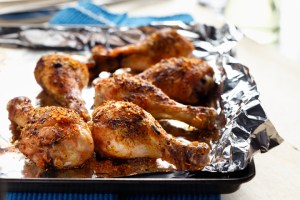
On those really hot days your may prefer more picnic-like fare. Pasta salads are always a hit and an easy way to add more veggies to a meal. Put your own twist on Angel Wings Pasta. It pairs perfectly with chicken pieces seasoned with Spice-It-Up Paste.  If you have an abundance of greens to use, Roasted Beet Salad is fabulous.


Jenns-Chewy-Granola-Bars

Jenn’s Chewy Granola Bars – Photo Courtesy of MB Canola Growers

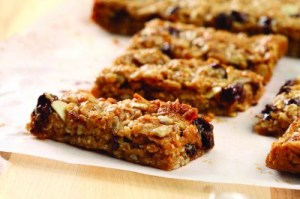
‘Grab and go’ desserts are convenient and can do double duty for lunch boxes and snacks. Have a bumper crop of zucchini or a neighbour dropping it off on your doorstep?  Eggless Double-Chocolate Zucchini Cake or Zucchini Chocolate Chip Muffins make a perfect finish with fresh fruit. Jenn’s Chewy Granola Bars are another great option and handy to have on stock in the freezer.

No matter the meal-time choices, this time of year your efforts are always appreciated. Taking a break is good for mind and body, it enhances farm safety and gives you time to connect with your family and friends. Everyone is always happy to sit down to a hearty meal.

I sometimes think back to the days of wood stoves, no refrigeration and large threshing gangs that needed to be fed three times a day. I admire the hard-working women who labored from dawn to dusk to get the job done. It makes me grateful for modern conveniences, the ease in which a meal can be prepared and many choices we now have.

Wishing you well as you transition your ‘farm table’ from the kitchen to the field.  May you have a safe and bountiful harvest!

Learn. Create. Eat. ~ Spicing it up with Chef Raghavan Iyer

When the Canola Eat Well team asks you to volunteer for an event, there is only one answer, “Absolutely!” You are guaranteed to learn along with the participants and will always leave feeling inspired.

2016-06-09 15.57.08On June 9th I had the opportunity to assist at an extraordinary workshop held at Kelburn Farm, just south of Winnipeg. The Manitoba Canola Growers hosted over 100 guests in conjunction with the Dieticians of Canada conference.
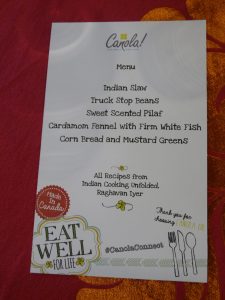
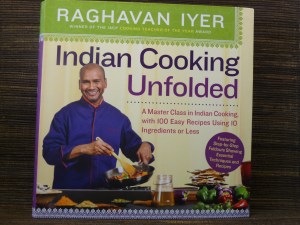
One of the my favourite highlights involved food, which for those of you who know me is no surprise! My taste buds were taken on a tour of India with a divine meal prepared by the award-winning Chef MJ Feeke and her incredible team. It was inspired from Chef Raghavan Iyer’s cookbook, “Indian Cooking Unfolded.”

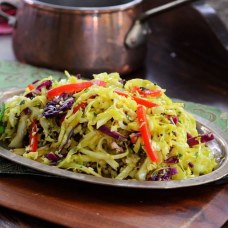
2016-06-09 19.07.03Indian Slaw, Truck Stop Beans, Sweet Scented Pilaf, Cardamom Fennel with Firm White Fish along with Corn Bread & Mustard Greens were plated beautifully and served ‘family style’ at our tables. Every single bite was delectable.  No one passed on second helpings when the bowls of food made another round.

Indian cooking is not in my repertoire, nor did I think it ever would be. But as we ate our meal, Chef Raghavan and Registered Dietician, Patricia Chuey broke it down, banished a few myths and made me believe that I too, could bring this fabulous cuisine to my kitchen table.

Chef Raghavan & Patricia Cheuy, RD - dynamic duo with seamless, informative & hilarious banter.  Courtesy of Canola Eat Well

Chef Raghavan Iyer & Patricia Cheuy, RD – dynamic duo with seamless, informative and entertaining banter. Photo courtesy of Canola Eat Well

As I savoured the delicious meal, I also gathered a few key take-a-way points from Chef Raghavan’s conversation and demonstation with the practical, adorable and comedic Patricia Chuey.

2016-06-09 16.24.101.   “Curry is not a flavour, it is an entity”. In India, curry has nothing to do with spices, it is about sauce but spices form the backbone to the many sauces.

2.   Do not ask if food is ‘spicy’! Ask if it is ‘hot’ – heat is a component of spice.

P11600263.   Chef Raghavan loves canola oil because, “It takes a backseat to the diva of Indian food, which is spices.” It is perfect for cooking as it has no flavour and a high smoke point.
4.   Body language plays an important role in cooking.      Do you want saltiness without too much salt? Don’t get so close to your food! Sprinkle salt from higher above, you will use less and get the desired effect.

5.   Searing is important. When searing fish, give it time.

6.   Cooking spices changes the flavours. To cook them without burning, coat them in a little canola oil first.

Indian Slaw - Shel Zolkewich Photo

Indian Slaw – Shel Zolkewich Photo

7.  Always ask yourself, “Does your recipe ‘sing’?”

8.   Presentation, presentation, presentation! “If it looks like s#*t…” Remember we eat with our eyes too!

9.   If you haven’t tried cooking Indian food before, start with one of Chef Raghavan’s all-time favourites, Turmeric Hash Browns aka “Shredded Wonders.”

10.   Don’t be afraid to unfold the flavours. Experiment. Enjoy. Celebrate.

P1160027It is never too late to learn and learning in the kitchen never gets old! Now with my own copy of Chef Raghavan’s “Indian Cooking Unfolded” it’s time to get started and meld some new and fascinating flavours to spice things up at my farm table!
Innovation in Oil

Originally published January 2016 in Canola Digest


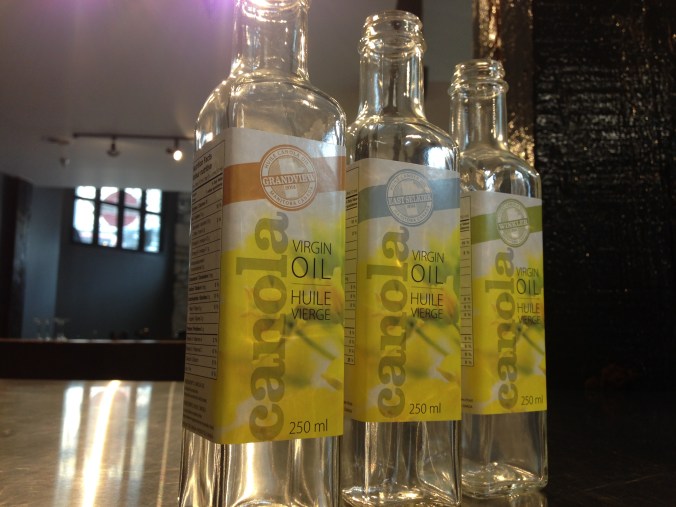
Three Manitoba canola growers are bottling and marketing canola oil with flavour characteristics unique to their own farms.  As grapes produce different flavour subtleties in wine based on their “terroir” – a  French word that covers soil, topography and climate – so does canola from different regions produce slightly different oil.

Photo courtesy of MCGA

Photo courtesy of MCGA

The Manitoba Canola Growers Association (MCGA) and the Manitoba Agri-Health Research Network Inc. (MAHRN) are studying virgin, cold-pressed canola oil, meal and co-products from processing as part of a Canadian Climate Advantage Diet (CCAD) project funded by Growing Forward II.  The three-year $396,000 project is looking at how the interaction between plant genetics and local growing conditions impacts the nutritional profile, flavour characteristics and end-use qualities of Manitoba-grown canola.  MCGA has contributed $10,000 to the project with a goal of adding value and finding innovative uses for Manitoba-grown and processed canola. The venture addresses the keen interest consumers have in local food, ‘terroir’ and virgin cold-pressed oils.

The three farmers involved to date are:  Brian Chorney of East Selkirk, Jack Froese of Winkler and Larry Bohdanovich of Grandview. They all grow the same variety but, surprisingly, the look, taste and even the nutritional profile of each oil is different. The East Selkirk Vintage has a higher iron content. The Grandview oil has a higher vitamin A number, is the strongest in flavour and has the deepest gold colour. Variations also exist in the percentage of crude oil extracted (33.9 – 39.5%) and clarified oil recovered (68.14 – 69.5%).  East Selkirk has the highest rates.  (Note that cold-pressing cannot extract as much oil from the seed, resulting in a high-oil meal.)

Photo courtesy of MCGA

Photo courtesy of MCGA

These unique, cold-pressed oils were test marketed at both the retail and food service level with highly favourable results. They are being embraced for salad oils, drizzles and a Canadian-grown alternative to extra-virgin olive oil.

The 2015 Vintages, prominently labeled with each growing area, will be available in early 2016 at five Winnipeg Red River Coops as well as the Winkler Co-op. These new virgin canola oils are also part of the Buy Manitoba Program. Such distinctive specialty oils demand a premium and sell at 20 times the price of conventional canola oil.

The long-term goal of this project is to develop on-farm enterprises and small and medium-sized business product lines. “It’s always exciting to see innovation in agriculture and Manitoba canola growers are definitely excited about growing future prospects for canola in Manitoba,” says Ellen Pruden, education and promotions manager with MCGA.

DEFINITIONS

Terroir (ter-war):   A term most often associated with grapes and wine, this is the special set of characteristics expressed in agricultural products when the geography, geology and climate of a location interacts with plant genetics. As a result of this project, we now know terroir exists in Manitoba-grown canola.

Cold-pressed oils:   Obtained by mechanically pressing and grinding the seed at a slow speed. Cooling methods are in place to ensure the temperature does not exceed 60 C during this process.


Flooding Hurts Food Production

Originally published August 4, 2015 in the Winnipeg Free Press  


No one wants to discuss it. Even those most affected are careful how they reply when asked about it: “Do you really want to know or are you just being polite?” Because in fact, yes, flooding is still an ongoing issue around Lake Manitoba.

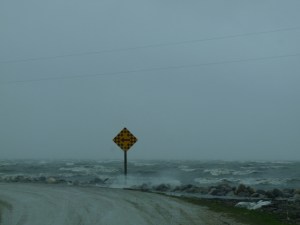
As I write this, gale force winds are Lynch's Point Waves - lg web sizeincreasing the lake level in the south basin by five feet or more. Significant and powerful wave action will force water inland up to two to three miles, flooding pasture, hay-land and crops. It is the fourth time in five years that an over-flowing Lake Manitoba has stolen the income of farmers and ranchers.

Imagine owning a modest, ten table restaurant. You and your family are making a decent living, able to pay your bills, look after your home, send your children to school and financially contribute to your community. Your restaurant is definitely not a get-rich-quick scheme, but you’re financially stable, providing a service along with local employment.

Then one year, the government decides to shut down five of your tables. The next year two or three. There is nothing wrong with your tables or your restaurant, they just aren’t allowing you to use them to ensure the restaurant down the road in a larger, more important centre can remain viable. You still have all your overhead costs but your ability to generate an income has dramatically decreased. How long could you keep your doors open? Would you find this government action acceptable? What would you do?

In 2013, farmers tried to bring attention to their plight with a peaceful 12-hour protest at the Portage Diversion. The government labeled them “angry, irresponsible farmers” and court orders were served. A meeting was held alongside the diversion last July when record flows of Assiniboine River water were once again thrust into Lake Manitoba, bringing it above flood level, but no other public gatherings have taken place since.

Countless phone calls and e-mails, and months of waiting are required to get a response, if any, from the departments of Agriculture and Infrastructure and Transportation. This month a joint letter from both departments to our farm stated, “To protect as many Manitoba homes and properties as possible, our government managed water flow with the Portage Diversion.” Well that management continues to cause significant financial losses for producers all around the lake. But instead of compensation, the response we received, “We recognize the impact flooding has had on individuals like yourself, and appreciate your contributions to Manitoba’s agriculture sector.” Unbelievable.

Farmers and ranchers are in the business of food production. As long as this lake is kept full and overflowing, it is increasingly difficult to remain viable and plan for the future. If the government is intent on keeping it at high levels, tell us. Compensate for losses. Buy the intentionally submerged and quagmired land that we still have to pay taxes on despite being unable to use.

An outlet for Lake Manitoba is supposed to be built by 2020 but five more years of uncertainty, five more years of being on continual wind-watch, five more years of preventable financial losses is unacceptable. A restaurant cannot operate when the government keeps shutting down tables and a farmer or rancher cannot continue to operate when their land base is continually degraded and stolen.

The 2011 Flood wasn’t a one-in-350 year event. High water levels remained in the spring of 2012. One year of recovery was available in 2013 but any hopes of forages being re-established and seeded crops surviving was once again swept away in 2014.

Farmers and ranchers have not been fully compensated. For many, the financial losses of 2011 were only partially covered and even though multi-year compensation was promised, reimbursement continues to be denied.

And what about the emergency outlet built after 2011? That is on Lake St. Martin, not Lake Manitoba (which flows through Fairford and into Lake St. Martin). It use has been sparsely used and definitely not to full capacity.

Farmers and ranchers have been taught to be patient — a necessity in dealing with mother nature — but patience is wearing thin as financial costs of this ongoing flood continue to mount. The blatant disregard by this government to the people and communities around Lake Manitoba is astounding.

Ask yourself if you would be willing to forfeit a portion of your income four out of five years, and possibly more, to protect your neighbours from flooding. Right now, farmers and ranchers have no say, no choice. Their income is stolen, with thanks for their contribution to agriculture. Some gratitude.