Originally published April 26, 2018 in the The Manitoba Cooperator
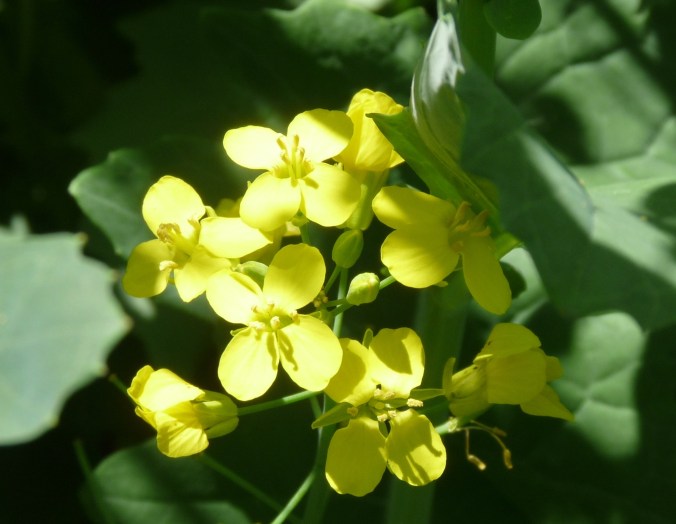
Canola Blossoms
Science has always led the way in agriculture, and continues to do so today. Yet advances in plant breeding are being met with skepticism, fear and vehement opposition by many consumers.
Perhaps we aren’t listening closely enough to their concerns. Because we understand the science, we assumed they would too. We’ve failed in telling our story, or at least to the right people. Farmers are great at connecting with other farmers but we need to go beyond our online echo chambers and ensure we’re reaching the end-users.
While we’ve lagged behind, fear-based marketing campaigns have swayed consumers while activists continue to stand in the way of efficient, leading-edge plant breeding methods.
We’re frustrated, but we shouldn’t be surprised.
At medical appointments when doctors use confusing terminology, we stop and ask them to explain in terms we can understand. The same can be said for any expert – they know the technical terms and acronyms specific to their fields, but if they’re trying to convey a message, layman’s terms are needed.
Yet in agriculture we continue to use terms such as GMO, GE, GM, transgenic, CRISPR, TALEN, genome/gene editing and biotech crops. No wonder there is apprehension and confusion. Even when people do not know what a GMO is, they believe it something that should be feared and avoided. See “What’s a GMO?” for Jimmy Kimmel’s take on the subject. He sent a camera crew to a farmers’ market near his studio to ask people what they thought GMO meant.
GMO is now a widely recognized, often misused and misunderstood term. It’s used extensively by media and marketers alike. We can’t abandon it, but we can shift to clearer, all-encompassing terminology which covers all the latest advances.
No matter the type of plant breeding used over the last 10,000 years, the goal has always been the same – genetic improvement. Make the plants better – disease and insect resistant, improved qualities and yields. With newer technologies now available, the process has become extremely precise and efficient. “Precision plant breeding” covers it all in clear, concise and understandable language.
The term is a welcoming, open door to further the conversation as to the benefits on our farms, to the environment, the consumer and those in developing countries.
Precision plant breeding is one of the tools available to help feed our ever-growing world and adapt to changes in the environment. It offers solutions to famine, malnutrition, drought, flooding and disease.
We can’t expect unequivocal acceptance without explanation. We need to effectively communicate to the masses the what, when, why, where and how.
Clearer language is a positive step forward in taking down fences of fear and building bridges of understanding.
Not everyone will be on the same page. But hopefully there will be enough consensus to lead the world to the ultimate goal – abundant, safe, affordable food for all.
 The patience a farmer needs to wait for the
 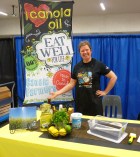 The majority who stopped by were genuinely interested in conversation, with many sharing how they use canola oil in their kitchens. This gave me the opportunity to say, “Thank you,” and, “As a canola grower, I appreciate you using a product we grow on our farm.” Something happened in this moment. A connection was made. Many did a double take, perhaps surprised. When our crops are sold directly to a grain company or processor, there is no contact with the end-user. I’m not sure I’ve ever had the opportunity to directly thank a consumer, but it felt good.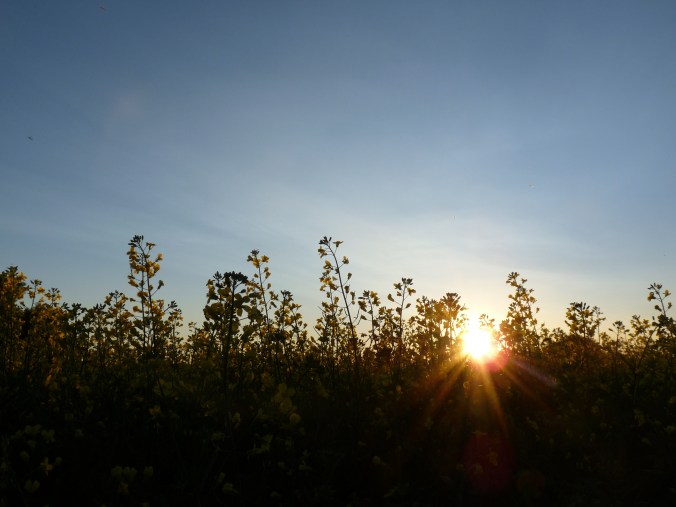
 I used to be that girl, the one who would joyfully head outside when it rained. I loved everything about it. The rhythmic sound on rooftops. The patterns it made as it rolled down windows. The feel of rain on my cheeks. The way it would it soak through and soften my wild, curly hair. If the rain was coming down fast and furious, I was content to sit under the cover of the front porch and watch. But the best rains were gentle, light, perfect for walking. The air so fresh, the streets quiet and still. Those rains offered a refuge from troubles and worries. I can still see my younger self soaking in the peace and serenity of those walks.
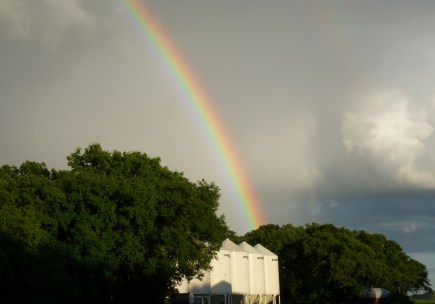 I spoke to another woman, who has long since retired from farming and asked her if concern for the weather ever goes away. She laughed, “No.” So I guess I’ll have to be content with my memories of that girl. Look back on her fondly and smile. Even when we no longer work the land, concern for farmers will always be there, and I will be that little old lady who politely asks, “So, was that a good rain?”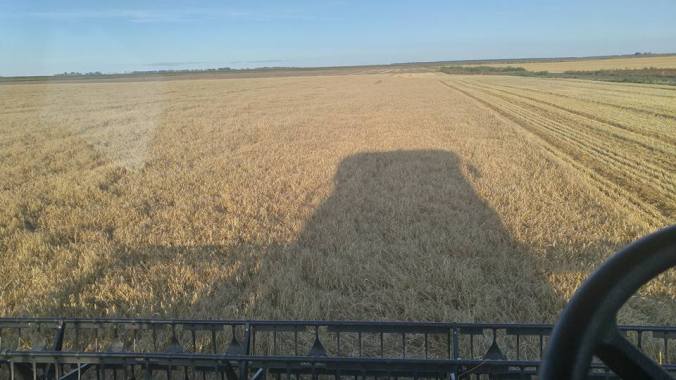
 Sandi Knight