I’ll admit, the first time I tried hummus I wasn’t impressed. It very dry, over-powered with garlic and rather unpalatable — not a recipe I felt obliged to try! But after sampling a few store bought varieties — roasted red pepper, caramelized onion — I thought maybe hummus wasn’t so bad after all. Then I found a recipe for Sweet Potato Hummus at Alaska from Scratch which converted me to the ‘pulse side’ of snacking! I adapted it to use heart-healthy canola oil and incorporated a few great tips from a Roasted Butternut Squash Hummus recipe at Nita at Carrots & Cake. The result — a family favourite, kid-approved, delicious, addictive, smooth and creamy hummus!
Roasted Sweet Potato & Garlic Hummus
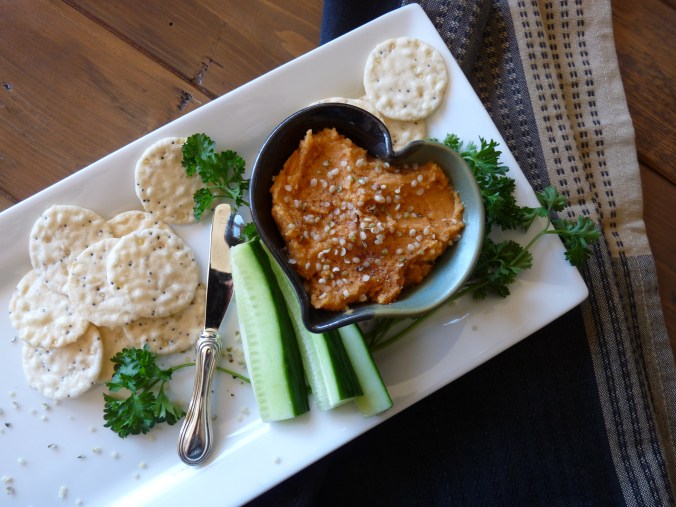
Main Ingredients:
- 1 medium sweet potato (approx 1 lb or 500 grams), drizzle of canola oil
- 1 – 19 oz (540 ml) can chickpeas, drained & rinsed
- 3 cloves *roasted garlic or 1 raw garlic clove
- 1/2 cup canola oil
- 1 lemon, juiced (about 3 tbsp)
- 1/4 cup hemp hearts (optional)
Spice Mixture:
- 1 tsp paprika
- 1 tsp cumin
- 1/4 tsp cinnamon
- 1/8 tsp cayenne pepper
- pinch of nutmeg
Garnish options:
- Parsley
- Green onions
- Hemp hearts
- Roasted chickpeas
- Grated or ground nutmeg
- Paprika
- Cayenne Pepper
- Cinnamon
- Lemon rind
Directions:
- Preheat oven to 400 F.
- Scrub the sweet potato & dry thoroughly. Pierce the skin 2-3 times with a knife or fork and lightly coat with a drizzle of canola oil.
- Place on baking sheet lined with parchment paper. Bake 45 min — 1 hour, until tender. (If you cut sweet potato in half, reduce time to ~ 30 minutes)
- Let cool, peel off skin, cut off any dark spots and cut into 4 —5 cm pieces.
- *If roasting garlic, toss cloves with a bit of canola oil, wrap in foil & place on baking sheet with the sweet potato. Garlic will take less time to roast so remove from oven after about 30 minutes.
- Drain & thoroughly rinse chickpeas.
- Toss chickpeas, sweet potato, garlic, canola oil, lemon juice, hemp hearts (if desired) & spice mixture into blender or food processor
- . Blend well, scraping down as needed. If it isn’t as smooth & creamy as you’d like, add more canola oil (or water), a tablespoon at a time, until it reaches desired consistency.
To serve, drizzle with canola oil and top with your choice of garnishes. Serve with crackers & raw veggies. This also makes a wonderful spread for sandwiches or wraps. Basically this hummus is so good, you will get very creative in finding ways to use it, other than just eating it ‘straight-up’ with a spoon — which, by the way, is totally acceptable!
Notes:
- Roasted garlic is sweeter & less overpowering than raw garlic, hence only use 1 clove if opting for raw. My family loves it either way!
- Hemp hearts will add a nutty flavour & slightly change the consistency of the hummus, but they also add protein, fibre & healthy fats.
- Encourage creativity in the kitchen by letting the kids help. They love to personalize their snack by choosing their own garnishes, crackers & veggies.
Storage:
Store in an airtight container in the refrigerator for 3 -5 days, if it lasts that long…

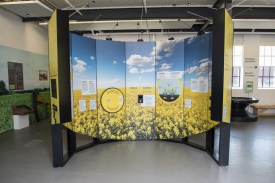

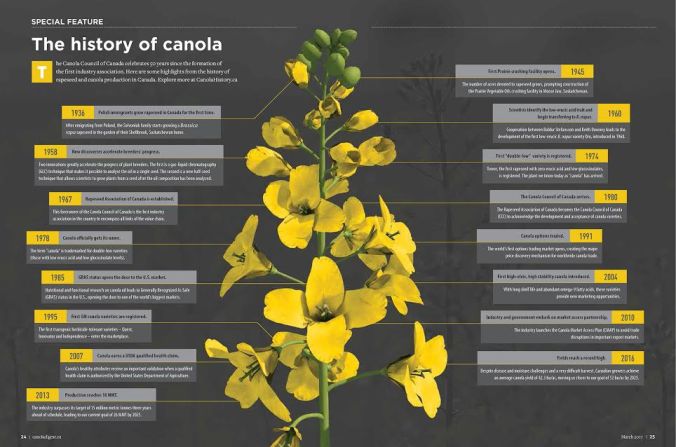








 The patience a farmer needs to wait for the
 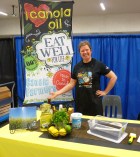 The majority who stopped by were genuinely interested in conversation, with many sharing how they use canola oil in their kitchens. This gave me the opportunity to say, “Thank you,” and, “As a canola grower, I appreciate you using a product we grow on our farm.” Something happened in this moment. A connection was made. Many did a double take, perhaps surprised. When our crops are sold directly to a grain company or processor, there is no contact with the end-user. I’m not sure I’ve ever had the opportunity to directly thank a consumer, but it felt good.


 So begin with telling your story, your way. Don’t get bogged down in the science and terminology. Explain how precision plant breeding benefits your farm, the environment and food production.

 However, the pay-off is worth it. The hand-outs are generous as country homes have so few visitors. “Halloween Bags” are filled with a variety of treats. Some people set the table with a wide assortment of goodies and novelties; youngsters are invited in to choose what they like. Apples and home baking are still acceptable as Halloween treats – safety is not a concern.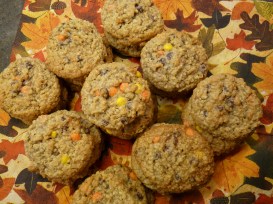
 Halloween displays are always drawing cards. Even if fewer than a dozen youngsters come to the door, many still enjoy decorating. Scarecrows greet you at the end of lanes. Pumpkins and gourds are set amidst bales and cornstalks; ghosts hang from trees. Witches sit in rocking chairs carefully guarding the door. Rigged doorbells or knockers cause Halloween creatures to shake or elicit ghostly laughter. Jack o’ lanterns of all shapes and sizes line driveways and doorsteps. Children return year after year just to see their favourite Halloween haunts.
 Some adults never outgrow this night of pranks. Many dress in costume to greet their young guests. Others wait until they are sure no more trick-or-treaters will be stopping by, then rummage through their ‘tickle trunks’, pick out appropriate attire, and head out to stir up a bit of fun with the neighbours.
 Thankfully, a country Halloween is still enjoyable. It brings back fond childhood memories. Parents drive down gravel roads through mud, rain, sleet or snow. Manners are important. “Trick-or-Treat” is always followed by a thank you. Tricks, if played, are neither harmful nor destructive. It is an evening of reminiscing and laughter. And when the doorbell rings, children are greeted with an enthusiasm. “It’s so good to see you! Thanks for stopping by!”
 It’s a time to renew old friendships and make new connections. You are surrounded by like-minded people who support and encourage each other. Everyone understands farming and cares deeply about agriculture. The desire to learn and explore new ventures is also renewed. Most of us leave the conference with at least one new idea to implement in our lives.
 For me, it is always worth making time to attend. The learning, laughter, support and encouragement never fail to give me a much appreciated morale boost. I hope to see you there as we “Fuel the Pulse” and re-fuel ourselves.
 Sandi Knight